Kuhli Loach Care: Tank Size, Sand & Groups
Kuhli loach care guide: keep a group of 5 or more in a 20 gallon tank with soft sand substrate at 75 to 86F. Covers diet, tankmates, hiding spots, and health.
Kuhli loaches are slender, eel-like bottom-dwellers with bold tiger-stripe banding and a charmingly secretive personality. Keep them in a tank of at least 20 gallons, in a group of five or more, on a soft sand substrate they can burrow into, at 75 to 86F. They grow to about 4 inches, are peaceful and nocturnal, and need sinking foods since they forage along the bottom. The two things that make or break kuhli keeping are simple: sand instead of sharp gravel, and a real group so these shy fish feel safe enough to come out.
This guide covers tank size, the all-important sand substrate, water parameters, diet, tankmates, hiding spots, and health. Plan your build with the minimum tank size calculator, confirm real water volume with the aquarium volume calculator, and fit your group sensibly with the stocking calculator.
Kuhli loach care at a glance
| Care factor | Detail |
|---|---|
| Minimum tank size | 20 gallons (a long footprint is ideal) |
| Adult size | About 3 to 4 inches |
| Temperature | 75 to 86F |
| pH | 6.0 to 7.0 (soft, slightly acidic) |
| Hardness | Soft, roughly 1 to 8 dGH |
| Substrate | Soft sand (they burrow; avoid sharp gravel) |
| Diet | Omnivore scavenger: sinking pellets and wafers plus protein |
| Temperament | Peaceful, shy, mostly nocturnal |
| Lifespan | About 10 years with good care |
| Grouping | Social: keep 5 or more |
Tank setup
Kuhli loaches live their lives along the bottom, so floor space matters more than height. A 20 gallon tank is the realistic minimum, and a long footprint is ideal because it maximizes the foraging and burrowing area these fish actually use. The single most important setup decision is substrate. Kuhli loaches are scaleless and love to dig, so they need a soft sand substrate that lets them burrow and sift without injuring their soft bodies and delicate barbels. Sharp or coarse gravel can cut and infect them and should be avoided. Add plenty of cover with driftwood, caves, rounded rocks, and plants, since dense hiding spots make these shy fish feel secure enough to come out.
Heater, filter, and cycling
Hold a warm, steady 75 to 86F with a reliable adjustable heater. Kuhli loaches are escape artists and slim enough to slip into intakes, so use a coarse sponge pre-filter over the filter inlet and keep a snug lid on the tank. Because they are scaleless and sensitive, never add them to an uncycled tank. Complete the nitrogen cycle over about four to six weeks to grow beneficial bacteria before they arrive, and add the group only once the tank is mature to avoid new tank syndrome.
Water parameters
Kuhli loaches come from soft, warm, slightly acidic Southeast Asian streams, so target 75 to 86F, a pH around 6.0 to 7.0, and soft water. As scaleless fish, they are more sensitive than average to poor water quality and to copper-based or harsh medications, so dose cautiously and always treat at reduced strength when advised for scaleless species. Keep ammonia and nitrite at a constant 0 ppm and control nitrate with regular partial water changes. Stability is everything for these fish, and if your tap water is hard, read our GH and KH guide before adjusting anything.
Diet
Kuhli loaches are bottom-feeding omnivores and scavengers, so their food has to reach the floor where they forage. Use sinking pellets, wafers, and tablets as the staple, supplemented with frozen or live foods such as bloodworms, brine shrimp, and daphnia, which they relish. They often feed after dark, and faster mid-water fish can beat them to a meal, so drop food in after lights-out to make sure the loaches get their share. Despite their scavenging habit, they are not a cleanup crew and need their own dedicated, varied diet to thrive.
Kuhli loach tank essentials
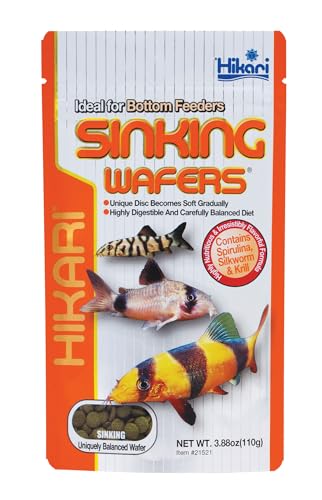
Hikari Hikari Sinking Wafers for Loaches
Sinking wafers formulated for loaches and bottom feeders.

Aqua Natural Aqua Natural Sugar White Sand
Soft sand substrate kuhlis can safely burrow and sift through.

Aqua Natural Sugar White Bio-Active Sand
Sand seeded with starter bacteria to help kick off cycling.
Tankmates
Kuhli loaches are completely peaceful and make superb tankmates for calm community fish, mostly occupying the bottom while other species use the middle and top. Excellent companions include small rasboras and tetras, Corydoras catfish, dwarf and pearl gouramis, and dwarf shrimp in planted tanks, though very small shrimp may occasionally be eaten. Avoid large or aggressive fish, aggressive cichlids, and anything that will bully or eat a slim, defenseless loach. Their bottom-dwelling lifestyle means they add to the bioload without competing for swimming space, but you should still confirm the combined load with the stocking calculator.
Common problems and health
Because kuhli loaches are scaleless, they are more vulnerable than scaled fish to poor water quality, parasites, and harsh treatments, so a water test is always the first step when something seems wrong. Ich shows as white spots and needs careful, often half-strength treatment for scaleless fish. Skin and barbel damage from sharp gravel can lead to infection, which is exactly why sand is so important. They are also sensitive to copper-based medications, so read labels closely. Keep the tank cycled, the substrate soft, the group intact, and the water clean and stable, and kuhli loaches can live around a decade. For persistent illness, consult a local fish store or aquatic vet, since this guide is educational only.
Breeding
Kuhli loaches rarely breed in home aquariums and doing so deliberately is considered an advanced challenge. They are believed to scatter green-tinged eggs among plants near the surface, and successful spawning seems to depend on a mature, heavily planted tank, soft acidic water, and a contented, well-established group. Most kuhlis for sale are wild caught or pond raised. For nearly all keepers, the realistic goal is a healthy, active group rather than raising fry.
The bottom line
Kuhli loaches are quirky, long-lived, and full of personality once you meet their needs. Give them a group of five or more in a cycled 20 gallon tank with a soft sand substrate, warm stable water at 75 to 86F, plenty of hiding spots, and sinking foods after lights-out, and these shy little eels become active, fascinating residents. Plan it with our minimum tank size calculator, aquarium volume calculator, and stocking calculator.
Aquarium Setup & Maintenance Planner
Stocking planner, water-test log, cycling tracker, maintenance schedule, and more, in one printable planner that keeps your tank on track.
Frequently Asked Questions
Why do I never see my kuhli loaches?
Kuhli loaches are shy and largely nocturnal, so they spend daylight hours hidden in caves, under driftwood, or burrowed into the substrate. The biggest factor in seeing them is keeping a group of five or more, since loaches in larger numbers feel secure and venture out far more, even during the day. Plenty of hiding spots paradoxically makes them bolder, and feeding after lights-out is the surest way to watch them forage.
Do kuhli loaches need sand?
Sand is strongly recommended for kuhli loaches because they love to burrow and sift, and sharp or coarse gravel can scratch and damage their soft, scaleless bodies and delicate barbels. A soft sand substrate lets them dig and bury themselves naturally, which is essential to their wellbeing. If you must use gravel, choose a very fine, smooth, rounded type, but sand is by far the safer and more natural choice for this species.
How many kuhli loaches should I keep?
Keep kuhli loaches in a group of at least five, and more is better. They are social bottom-dwellers that become stressed, reclusive, and rarely seen when kept alone or in pairs. In a proper group they are far more active and confident, often piling together in shared hiding spots and foraging in loose, eel-like clusters. A larger group in a well-planted tank is the key to actually enjoying these unusual fish.
What size tank do kuhli loaches need?
A group of kuhli loaches needs at least a 20 gallon tank. Although they are slim and stay around 4 inches, they should be kept in a group of five or more and need floor space to forage and burrow, plus a soft sand substrate. A 20 gallon long with a large footprint is ideal because it maximizes the bottom area these fish use. Confirm a sensible footprint with the minimum tank size and stocking calculators.
What do kuhli loaches eat?
Kuhli loaches are bottom-dwelling omnivores and scavengers that need food which sinks to where they forage. Feed sinking pellets, wafers, and tablets as the staple, supplemented with frozen or live foods like bloodworms, brine shrimp, and daphnia. Because they often feed after dark and compete with faster mid-water fish, drop food in after lights-out to make sure they get their share. They are not effective tank cleaners and need their own dedicated food.
Are kuhli loaches hardy and beginner-friendly?
Kuhli loaches are reasonably hardy once a tank is mature, but they have a few special needs that make them best for keepers past the absolute beginner stage. They are scaleless, which makes them more sensitive to poor water quality and to some medications, and they need sand, a group, and an established tank. Meet those needs with a cycled tank, soft sand, a group of five or more, and good water, and they are long-lived and rewarding.
Planning or running a tank?
Use our free calculators and guides to get every number right.
Aquarium Planner: $39