How to Acclimate New Fish (Float & Drip)
Acclimate new fish safely with the float and drip methods. Learn why temperature and water shock kill, plus a quarantine note to protect your tank.
To acclimate new fish, float the sealed bag in your tank for 15 to 20 minutes to match temperature, then gradually mix in tank water over 30 to 60 minutes before netting the fish into the tank without adding the bag water. This slow transition prevents the temperature and water shock that kills fish moved too quickly from one set of conditions to another.
Bringing fish home is the moment many beginners lose them. The bag water and your tank water differ in temperature, pH, and hardness, and a sudden change is dangerous. Acclimation eases that change. Here are the two trusted methods and exactly when to use each.
Acclimation & Quarantine Gear
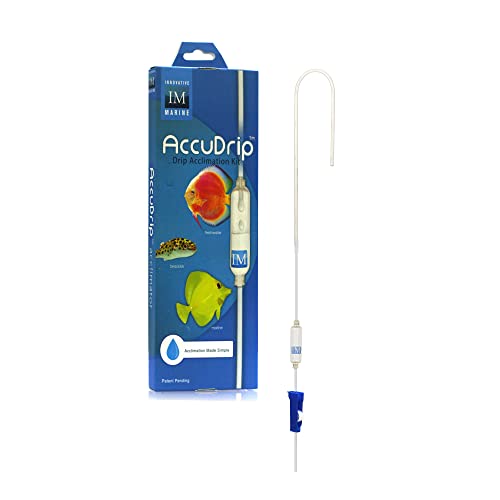
Innovative Marine Accudrip Acclimator
A ready-made drip acclimation kit with an adjustable valve for slow, gentle drips.

Adjustable kit for freshwater and saltwater, ideal for shrimp and sensitive fish.

Standard flexible airline tubing to build your own drip line for acclimation.
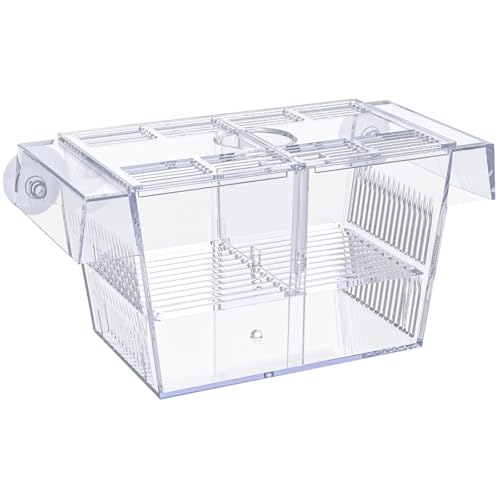
Pawfly Isolation & Breeding Box
An in-tank acrylic box to isolate and observe new or sensitive arrivals.
Why acclimation matters
Fish are cold-blooded and highly sensitive to their water. The water in a shipping or store bag is rarely the same temperature or chemistry as your tank, and dumping a fish straight in forces an instant change its body cannot handle.
- Temperature shock: A swing of even a few degrees stresses fish badly and can be fatal. This is the single biggest risk and the easiest to prevent.
- Water chemistry shock: Sudden shifts in pH, hardness, or salinity, sometimes called osmotic shock, damage fish and especially invertebrates like shrimp.
One firm rule overrides everything else: the fish goes into a cycled tank. No acclimation can protect fish from ammonia in an uncycled tank, so confirm your nitrogen cycle is complete first.
Method 1: The float method
The float method is quick and works well for most hardy freshwater community fish. It matches temperature, then eases the chemistry change.
- Dim the lights. Turn off the tank light to reduce stress on the new fish.
- Float the bag. Set the sealed, unopened bag on the water surface for 15 to 20 minutes so temperatures equalize.
- Open and roll. Open the bag and roll the top down to make a floating collar, or pour the fish and bag water into a clean container.
- Add tank water gradually. Every 5 minutes, add about a half cup of tank water to the bag or container. Repeat for 20 to 40 minutes so the chemistry shifts slowly.
- Net the fish in. Gently net the fish out and release it into the tank. Discard the bag water, never pour it in.
Method 2: The drip method
The drip method is gentler and best for sensitive fish, invertebrates like shrimp and snails, and saltwater livestock, where chemistry differences are larger and slow change matters most.
- Float first for temperature. Float the bag for 15 to 20 minutes as above to match temperature.
- Set up the container. Pour the fish and bag water into a clean bucket or container placed below the tank.
- Start a slow drip. Run airline tubing from the tank to the container, start a siphon, and use a drip kit or a loose knot in the line to set a slow drip of about 2 to 4 drips per second.
- Drip until doubled. Let it drip until the water volume in the container has roughly doubled or tripled, usually 45 minutes to 2 hours.
- Net and release. Net the fish into the tank and discard the container water.
A purpose-built drip acclimation kit makes the flow rate easy to control, but a length of airline tubing and a clip does the same job.
Which method should you use?
| Situation | Recommended method | Approx. time |
|---|---|---|
| Hardy community fish | Float method | 30 to 60 min |
| Sensitive or wild-caught fish | Drip method | 1 to 2 hours |
| Shrimp and snails | Drip method | 1 to 2 hours |
| Saltwater fish and corals | Drip method | 1 to 2 hours |
The quarantine note
The safest practice is to quarantine new fish in a separate tank for 2 to 4 weeks before adding them to an established community. A quarantine tank lets you watch for disease and treat problems without risking your main tank's livestock. A simple bare-bottom tank with a sponge filter and a heater is all you need.
If you cannot run a full quarantine tank, an in-tank isolation box at least lets you observe new arrivals separately for a few days. Whatever you do, never add bag water to your display tank, since it is a common route for parasites and disease.
After acclimation
Once the fish is in, leave the lights off for a few hours and avoid feeding right away so it can settle. Watch for signs of stress over the next day or two. Add new fish only a few at a time so your bacteria can keep pace with the rising bioload, and size any post-addition water change with the water change calculator.
Done patiently, acclimation turns a risky homecoming into a smooth one. Pair it with a properly cycled, well-stocked tank using our setup guide, the stocking calculator, and our best beginner fish list, and your new arrivals will settle in for the long haul.
Aquarium Setup & Maintenance Planner
Stocking planner, water-test log, cycling tracker, maintenance schedule, and more, in one printable planner that keeps your tank on track.
Frequently Asked Questions
How long should I acclimate new fish?
The float method takes about 15 to 20 minutes to match temperature, then another 20 to 40 minutes adding small amounts of tank water. The drip method runs longer, roughly 45 minutes to 2 hours, dripping tank water into the fish slowly. Sensitive species and most invertebrates like shrimp and snails benefit from the longer drip. Hardy community fish are usually fine with a careful float and mix.
What is the difference between floating and drip acclimation?
Floating matches the bag temperature to your tank, then you periodically add tank water to ease the chemistry change. Drip acclimation uses airline tubing to drip tank water into a container holding the fish very slowly, gradually replacing the bag water. Drip is gentler and better for sensitive fish, shrimp, and saltwater livestock. Floating is quicker and fine for most hardy freshwater community fish.
Why does temperature shock kill fish?
Fish are cold-blooded, so their body temperature follows the water around them. A sudden jump between bag water and tank water of even a few degrees stresses them severely and can be fatal. Floating the sealed bag lets the temperatures equalize gradually before the fish enters the tank. This is why matching temperature is the first and most important step of any acclimation method.
Should I add the bag water to my tank?
No. Never pour bag or shipping water into your aquarium. It can carry ammonia, medications, parasites, or disease from the store or breeder. Always net the fish out of the acclimation container and release just the fish into your tank, then discard the old water. This single habit prevents many of the diseases and pests that hitchhike in on store water.
Do I need to quarantine new fish?
Quarantining new fish in a separate tank for 2 to 4 weeks is the gold standard, because it lets you watch for disease and treat without exposing your main tank. It is strongly recommended whenever you already have an established community to protect. A simple bare-bottom tank with a sponge filter and a heater works. If you cannot quarantine, acclimate carefully and observe new arrivals closely.
Can acclimating fish still fail if my tank is not cycled?
Yes. Perfect acclimation cannot save fish in an uncycled tank, because ammonia and nitrite will poison them regardless of how gently they were introduced. Acclimation only bridges the difference between bag water and tank water. The tank itself must already be cycled, with stable temperature and zero ammonia and nitrite, before any fish arrives. Acclimation is the last step, not a substitute for cycling.
Planning or running a tank?
Use our free calculators and guides to get every number right.
Aquarium Planner: $39