Fish Gasping at the Surface: Causes and Fixes
Fish gulping at the water surface usually means low oxygen, an ammonia spike, or water that is too warm. Learn how to diagnose and fix it fast.
When fish hang at the surface gulping air, it almost always means they cannot get enough oxygen where they normally swim, or their gills are being irritated. The three usual culprits are low dissolved oxygen, an ammonia or nitrite spike, and water that has become too warm. The fastest safe first step is to increase surface agitation right away with an air pump or by aiming your filter outflow at the surface, then test your water and do a water change if ammonia or nitrite show up.
Gasping is a breathing problem, so treat it as urgent. The good news is that the single most useful action, adding surface agitation, is harmless and helps in nearly every case. From there you diagnose the underlying cause and fix it properly.
Get Oxygen Into the Water Fast
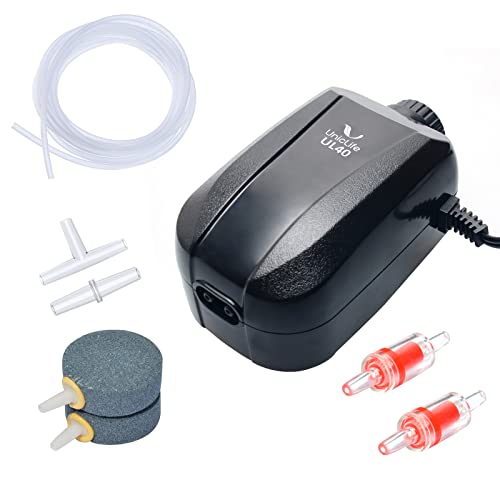
Uniclife Aquarium Air Pump (Dual Outlet)
Drives airstones to churn the surface and raise dissolved oxygen around the clock.

AQUANEAT Aquarium Air Stones (12 Pack)
Produce fine bubbles that ripple the surface where gas exchange happens.

Pawfly 5 in 1 Aquarium Water Master Test Kit
Confirm whether an ammonia or nitrite spike is behind the gasping.
The four most likely causes
Gasping at the surface is a symptom, not a diagnosis. These are the causes to work through, roughly in order of how common they are.
1. Low dissolved oxygen
Oxygen enters the water at the surface, so a still, undisturbed top layer slowly starves the tank. This is common in tanks with a gentle filter, no airstone, a heavy plant load at night (plants consume oxygen in the dark), or a power outage that stopped the filter. Fish move up because the surface is the most oxygen-rich zone.
2. Ammonia or nitrite spike
Ammonia and nitrite damage gill tissue and interfere with the blood's ability to carry oxygen, so fish gasp even when oxygen is plentiful. This is the classic sign of a tank that is not fully cycled or has crashed. If your tank is new, read up on the nitrogen cycle, ammonia, and nitrite, because uncycled water is one of the top reasons new keepers see distressed, gasping fish.
3. Water that is too warm
Warm water holds less oxygen and speeds up fish metabolism, a bad combination. A summer heat wave, a heater stuck on, or a tank in direct sun can all push temperature up and oxygen down. Confirm your temperature against the species comfort range in our guide to aquarium water temperature.
4. Gill problems or disease
Parasites, bacterial infections, and gill flukes can inflame the gills so the fish cannot breathe efficiently. If water is clean, cool, and well-aerated and fish still gasp, look closely for other symptoms like flashing, clamped fins, or visible spots, and consider a parasite issue. This is when a local fish store or aquatic vet is worth the visit.
How to diagnose it
Work through these checks in order. The first two cover the large majority of cases.
- Test ammonia and nitrite first. A liquid test kit gives you a clear yes or no. Any reading above zero for either is your answer and your priority.
- Check the temperature. Compare it to the comfortable range for your species. Above the range plus gasping points to a heat and oxygen problem.
- Look at the surface. Is the top of the water rippling, or is it glassy and still? A still surface means poor gas exchange.
- Watch the behavior. Is every fish gasping, or just one? All fish gasping points to water quality or oxygen. A single fish points to disease or injury.
- Recall recent changes. New fish, a big feeding, a missed water change, a medication, or a hot day can all be the trigger.
How to fix it
Right now
- Add surface agitation immediately. Turn on an air pump and airstone, or raise and angle your filter return so it breaks the surface. This is safe in every scenario and the fastest relief.
- Do a water change if ammonia or nitrite are present. A 25 to 50 percent change with dechlorinated, temperature-matched water dilutes the toxins right away. Repeat daily until tests read zero.
- Cool an overheated tank gently. Float a bag of ice (never tip ice straight in), aim a small fan across the surface, and turn down or unplug the heater. Lower the temperature slowly, a few degrees, not all at once.
Then
- Size your water change properly. Use our water change calculator to dilute toxins to a safe level without shocking the fish.
- Confirm filter flow. A filter turning over the tank 4 to 10 times per hour both moves water and helps oxygenation. Check yours with the filter turnover calculator.
- Reassess stocking. Chronic gasping often means too many fish for the volume. The stocking calculator shows whether you are over a sensible limit.
How to prevent it
Most gasping episodes are preventable with a few habits.
- Keep the surface moving. An airstone or a filter that ripples the surface should be standard, especially in warm months and in planted tanks.
- Never add fish to an uncycled tank. Cycle fully first so ammonia and nitrite stay at zero. See how to cycle a fish tank.
- Test weekly. A regular ammonia and nitrite check catches problems before fish are in distress.
- Manage heat. Keep the tank out of direct sun and watch temperatures in summer. Cooler water carries more oxygen.
- Do not overstock or overfeed. Both raise the oxygen demand and the waste load at the same time.
When to get help
If your water tests clean, the temperature is correct, the surface is well agitated, and fish still gasp, suspect a gill infection or parasite and take a water sample and a clear description of symptoms to a trusted local fish store or an aquatic vet. This is educational guidance, not veterinary advice, and a sick fish that is not responding to environmental fixes deserves a professional eye. For everything water-related, the Water and Care hub covers the parameters that keep fish breathing easy.
Aquarium Setup & Maintenance Planner
Stocking planner, water-test log, cycling tracker, maintenance schedule, and more, in one printable planner that keeps your tank on track.
Frequently Asked Questions
Why are my fish gasping at the surface?
Fish gulp at the surface when they cannot get enough oxygen lower down, or when something is irritating their gills. The most common causes are low dissolved oxygen, an ammonia or nitrite spike, and water that has become too warm. The fastest safe response is to increase surface agitation with an air pump or by pointing the filter outflow at the surface, then test your water for ammonia and nitrite. If readings are high, do a water change right away.
Is a fish gasping at the surface an emergency?
It can be. Gasping means the fish is struggling to breathe, so treat it as urgent rather than waiting to see if it passes. Add surface agitation immediately, since that is harmless and helps in almost every case. Then test for ammonia and nitrite. If either is present, a water change is the priority. If water tests clean and the room is hot, cooling the tank slightly will help. Persistent gasping in clean, cool, well-aerated water suggests a gill problem worth a fish-store or vet consult.
Does warm water really lower oxygen?
Yes. Warm water holds less dissolved oxygen than cool water, so a heat wave or an over-set heater can push fish to the surface even when nothing else is wrong. Fish also have faster metabolisms when warm, so they need more oxygen at the exact moment the water can carry less. If your tank has crept above the species comfort range, cooling it a few degrees and boosting surface agitation usually settles the gasping quickly.
Will an air pump and airstone fix gasping?
Often, yes, because the real benefit of an airstone is the surface agitation it creates, not the bubbles themselves. Gas exchange happens at the water surface, so anything that ripples and churns the top layer drives oxygen in and carbon dioxide out. An air pump with an airstone is a cheap, reliable way to do that around the clock. Pointing a filter return at the surface achieves the same thing. If water quality is the real cause, aeration buys time but you still need a water change.
Can overstocking cause fish to gasp?
Yes. Too many fish in too little water means more oxygen demand and more waste, which raises both the oxygen draw and the ammonia load. A crowded tank also has more competition near oxygen-rich surface water. If gasping is chronic rather than sudden, check your stocking level honestly. Our stocking calculator helps you see whether your tank is over its sensible limit, which is one of the most common hidden causes of ongoing breathing stress.
My betta gulps at the surface, is that normal?
Bettas and other labyrinth fish breathe air at the surface as normal behavior, taking occasional gulps even in well-oxygenated water. That calm, occasional trip up is different from frantic, continuous gasping with flared gills. If your betta is darting to the surface constantly or hanging there rapidly working its gills, treat it like any other gasping fish: add surface agitation and test the water. Normal air-gulping is relaxed and intermittent.
Planning or running a tank?
Use our free calculators and guides to get every number right.
Aquarium Planner: $39