Best RODI Systems for Reef Tanks (2026)
The best RODI systems for reef and planted tanks in 2026, compared by stages, GPD output, and water efficiency, so you can make pure 0 TDS water at home.
Pure water is the foundation of a healthy reef. Tap water carries nitrate, phosphate, silicate, copper, and chloramine that feed nuisance algae and stress corals and invertebrates, and no amount of dosing fully undoes a bad starting point. An RODI system strips all of it to near 0 ppm, giving you a clean base to mix saltwater or remineralize for planted tanks. After comparing stages, GPD output, water efficiency, and verified owner feedback, the LiquaGen 5-Stage RODI is our best overall pick, with the Aquatic Life RO Buddie as the best starter unit. Here are six systems worth installing.
Best RODI Systems at a Glance

LiquaGen 5 Stage RO/DI Reef System (75 GPD)
Five stages including DI resin take TDS to 0 ppm. The reliable mid-output reefer favorite.
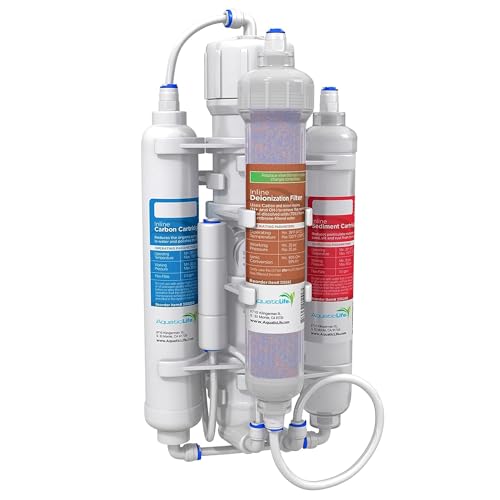
Aquatic Life RO Buddie 4 Stage System (50 GPD)
Compact, affordable RO/DI starter unit that mounts almost anywhere. Great first system.

iSpring RCC1DP Tankless RO/DI + Pump (150 GPD)
High-output 5-stage system with a booster pump for fast fills and low-pressure homes.

Koolermax RO + DI 1:1 System (100 GPD)
Efficient 1-to-1 pure-to-waste ratio. Half the wastewater of a typical RO unit.
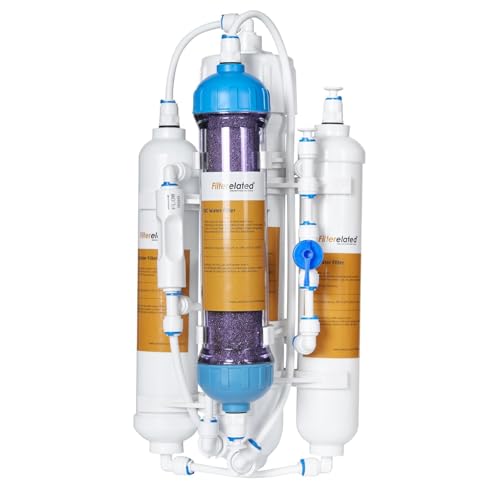
Filterelated 4 Stage RO+DI Portable System (100 GPD)
Budget 100 GPD unit with a flush valve and color-changing DI cartridge for easy monitoring.

iSpring RCC1D Tankless RO/DI System (150 GPD)
Same 150 GPD 5-stage performance as the RCC1DP, without the booster pump.
Quick comparison
| System | Stages | Output | Best for | Price |
|---|---|---|---|---|
| LiquaGen 5-Stage RODI | 5 (with DI) | 75 GPD | Most reef tanks | $159.99 |
| Aquatic Life RO Buddie | 4 (with DI) | 50 GPD | Nano / first system | $69.99 |
| iSpring RCC1DP + Pump | 5 (with DI) | 150 GPD | Large tanks, low pressure | $203.92 |
| Koolermax RO+DI 1:1 | 5 (with DI) | 100 GPD | Low wastewater | $169.00 |
| Filterelated 4-Stage | 4 (with DI) | 100 GPD | Budget builds | $59.99 |
| iSpring RCC1D | 5 (with DI) | 150 GPD | High output, no pump | $178.55 |
The picks, reviewed
1. LiquaGen 5-Stage RODI: best overall
The LiquaGen hits the sweet spot for the typical reefer: five stages, a full DI resin polish to 0 ppm, and 75 GPD output that fills a few buckets without a long wait. Sediment and carbon prefilters protect the RO membrane, the DI stage scrubs the last traces of phosphate and silicate, and the whole unit comes ready to mount with the filters included. Verified owners consistently report TDS readings of 0 out of the box and praise the build quality for the price.
At 75 GPD it is not the fastest system here, but for tanks up to roughly 90 gallons it produces water faster than you can use it on change day. It is the system we would point most new reef keepers toward first: enough output for real tanks, full DI polishing, and a price that leaves room in the budget for a TDS meter and a storage container.
2. Aquatic Life RO Buddie: best starter
The RO Buddie is the classic gateway into RODI. It is compact, inexpensive, and mounts almost anywhere, which matters when you do not have a dedicated water station. The 4-stage design still includes a DI cartridge, so it reaches 0 ppm despite its small footprint, and 50 GPD is plenty for a nano reef or a small mixed tank.
The compromise is throughput and cartridge size: the small canisters exhaust faster than full-size systems, so heavy users go through resin and prefilters more often. For a single small tank or as a first taste of pure water, that is an easy trade. Many keepers start here, then upgrade the membrane or move to a larger system as their setup grows.
3. iSpring RCC1DP: best high-output
When you run a large reef or fill a big top-off reservoir, GPD becomes the headline number, and the RCC1DP delivers 150 GPD across five stages with a built-in booster pump. That pump is the real value: it raises and stabilizes the pressure feeding the membrane, which dramatically improves both output and rejection rate in homes with weak water pressure or cold incoming water.
It is the most expensive pick here and a slightly larger install, but for a serious system it pays off in time saved every week. If your tap pressure is low, or you simply hate waiting on water, this is the unit to buy. Pair it with a float-valve reservoir and water-change prep becomes nearly hands-free.
4. Koolermax RO+DI 1:1: most water-efficient
Standard RO membranes waste three to four gallons for every pure gallon, which adds up fast and frustrates anyone on a water bill or a well. The Koolermax uses a high-efficiency design rated at a 1-to-1 pure-to-waste ratio, roughly halving or better the wastewater of a typical unit while still producing 100 GPD through a full RODI stack.
You pay a little more upfront and the efficiency depends on adequate feed pressure, but for keepers running multiple tanks or anyone conservation-minded, the reduced waste is a genuine long-term saving. It is the pick when wastewater, not just purity, is part of your decision.
5. Filterelated 4-Stage: best budget
If cost is the deciding factor, the Filterelated 4-stage system delivers a remarkable amount for under sixty dollars: 100 GPD output, a flush valve to extend membrane life, and a color-changing DI cartridge that shows at a glance when the resin is spent. That visual indicator is a thoughtful touch that even pricier systems often skip.
Being a value brand, it does not have the long track record of LiquaGen or iSpring, and you should still verify output with a TDS meter rather than trusting the indicator alone. But for a budget reef build or a backup system, the price-to-output ratio is hard to argue with.
6. iSpring RCC1D: best no-pump alternative
The RCC1D is the RCC1DP without the booster pump: the same 150 GPD, 5-stage tankless design from a well-known filtration brand, at a lower price. If your home already has strong water pressure, you may not need the pump at all, and skipping it saves money and one more component to maintain.
Choose this over the RCC1DP only if you have confirmed good pressure, since output and rejection drop noticeably on weak supply lines. With solid pressure, it is one of the best output-per-dollar systems on the list and a strong choice for a growing reef.
How we chose
These picks are based on research, not hands-on lab testing. We compared published manufacturer specs, matched them against established reef-keeping best practices, and read verified owner reviews to surface real-world output, longevity, and complaints. We weighted four factors:
- Purity: A genuine DI stage that reaches 0 ppm, since reef and planted tanks cannot tolerate residual phosphate or silicate.
- Output (GPD): Enough real-world throughput for the tank size, accounting for the fact that ratings assume ideal pressure and temperature.
- Water efficiency: Pure-to-waste ratio, which affects your water bill and well use over years.
- Maintenance and value: Cartridge cost and availability, flush valves, TDS-friendly design, and owner-reported reliability.
One accessory matters for every system here: a TDS meter. It is the only way to confirm your unit is performing and to know exactly when the DI resin is exhausted. Budget for one alongside whichever system you choose.
From pure water to mixed saltwater
RODI water is the clean starting point, not the finished product. Pure water has no minerals and no buffering, so it is unsafe for livestock until you mix in reef salt for saltwater or remineralize with GH/KH for planted tanks. Getting the salt ratio right is what turns 0 TDS water into a stable reef environment.
Our salt mix calculator tells you exactly how much salt to add to your RODI water to hit a target specific gravity, so every batch lands at the right salinity. Combine it with a refractometer for verification, and your RODI system plus accurate mixing becomes the backbone of a healthy, algae-resistant reef.
Reviewed in depth
Our Bulk Reef Supply 4 Stage RO/DI review covers what the built-in TDS meter actually tells you, the waste water every reverse osmosis unit produces, and the freshwater tanks where RO/DI is the wrong purchase and a dechlorinator is the right one.
Aquarium Setup & Maintenance Planner
Stocking planner, water-test log, cycling tracker, maintenance schedule, and more, in one printable planner that keeps your tank on track.
Frequently Asked Questions
Do I need an RODI system for a reef tank?
For most reef and sensitive freshwater setups, yes. Tap water carries nitrate, phosphate, silicate, copper, and chloramine that feed algae and stress corals and invertebrates. An RODI system strips these to near zero, giving you a blank slate to mix saltwater or remineralize for planted tanks. Fish-only saltwater tanks can sometimes get by with treated tap water, but anyone keeping corals should consider RODI essential for long-term stability.
What is the difference between RO and RODI?
RO (reverse osmosis) pushes water through a semipermeable membrane that removes 90 to 99 percent of dissolved solids. RODI adds a final deionization (DI) resin stage that scrubs out the last traces, taking TDS to 0 ppm. Reef keepers want that final DI polish because even a few ppm of phosphate or silicate can fuel nuisance algae. For a reef, always choose a system with a DI stage, not RO alone.
What does GPD mean and how much do I need?
GPD is gallons per day, the rated output of the membrane at ideal pressure and temperature. Real-world output is usually lower, especially in cold water or low-pressure homes. A 50 GPD unit suits a single nano or small reef, while a 100 to 150 GPD system fills larger tanks and top-off reservoirs much faster. Buy more GPD than you think you need, since higher output saves hours of waiting on water-change day.
How do I know when to replace RODI filters?
Use a TDS meter, the most important accessory for any RODI system. Test the water after the RO membrane and again after the DI resin. When DI output rises above 0 to 1 ppm, the resin is exhausted and needs replacing. Sediment and carbon prefilters typically last 6 to 12 months depending on your source water, and a rising TDS reading or slower output signals it is time. Many systems include a color-changing DI cartridge for a quick visual check.
How much wastewater does an RODI system produce?
Standard RO membranes waste roughly 3 to 4 gallons for every gallon of pure water they make. That waste is normal and is not harmful; many keepers capture it for laundry, plants, or cleaning. If wastewater bothers you, choose an efficient 1-to-1 system like the Koolermax, which produces about one gallon of waste per gallon of pure water. A booster pump also improves the ratio and output in low-pressure homes.
Can I use RODI water straight in my tank?
Not by itself. Pure RODI water has zero minerals and almost no buffering capacity, so it is unsafe as-is for fish. For saltwater, mix it with a quality reef salt to your target salinity. For freshwater or planted tanks, remineralize with a GH/KH product to reach the right hardness for your species. RODI is the clean starting point, not the finished water. Always test salinity or hardness before adding livestock.
Planning or running a tank?
Use our free calculators and guides to get every number right.
Aquarium Planner: $39