Platy Fish Care: The Easy Beginner Livebearer
Complete platy fish care guide: tank size, water parameters, diet, tankmates, and breeding for one of the hardiest, most colorful beginner fish in the hobby.
If you want one fish that proves the hobby does not have to be complicated, it is the platy. Hardy, peaceful, endlessly colorful, and cheap, platies are among the best beginner fish you can buy. They stay small at about 2.5 inches, get along with almost everything, and adapt to a wide range of water as long as it is not too soft. The only thing that surprises new keepers is how readily they breed, because platies are livebearers that fill a tank fast. Give a small group a 15 to 20 gallon cycled tank with medium to hard water, and you will have a lively, low-stress community centerpiece that forgives the occasional rookie mistake.
Platy fish care at a glance
| Care factor | Recommendation |
|---|---|
| Minimum tank size | 15 to 20 gallons for a small group |
| Adult size | About 2.5 inches |
| Temperature | 70 to 80 degrees Fahrenheit |
| pH | 7.0 to 8.0 |
| Hardness | Medium to hard |
| Diet | Omnivore; flakes plus veggies and occasional protein |
| Temperament | Peaceful, social community fish |
| Lifespan | 3 to 4 years |
| Group | Groups of 4 to 6; more females than males |
Tank setup
A 15 to 20 gallon tank is ideal for a starter group of platies. They are small but active, and they breed quickly, so this range gives them swimming room and keeps the water chemistry stable as numbers climb. A 10 gallon can house a tiny group, but a larger tank is more forgiving for a first-time keeper because dilution buffers any mistakes. Size your setup with the minimum tank size calculator, then double-check the real water volume of any tank with the aquarium volume calculator.
Filtration, heating, and plants
A gentle hang-on-back or sponge filter with a turnover of roughly 4 to 6 times the tank volume per hour is plenty; confirm yours with the filter turnover calculator. Platies are tropical, so include a heater sized at about 3 to 5 watts per gallon to hold a steady temperature in the 70s. Live plants are a great addition because they soak up nitrate, give fry hiding places, and look natural. Easy beginner plants such as java fern, anubias, and Amazon sword pair perfectly with a platy tank and need very little light or upkeep.
Platy tank essentials

Tetra Nutritionally Balanced Tropical Flakes
A reliable everyday staple flake for platies and community tanks.

Tetra Color-Boosting Tropical Flakes
Color-enhancing flake to bring out a platy’s bright reds and oranges.
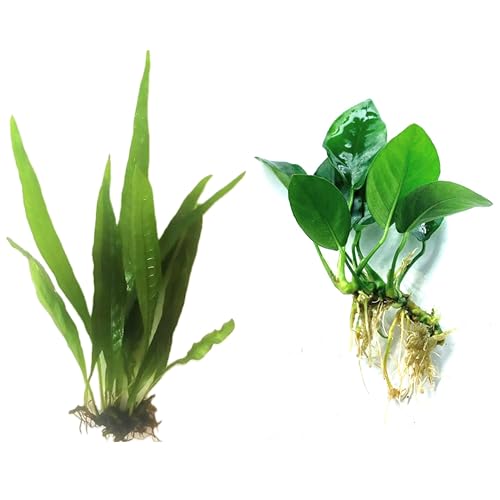
Java Fern & Anubias Plant Bundle
Easy low-light plant pack that gives fry cover and absorbs nitrate.
Marcus Fish Tanks Java Fern & Anubias Plant Bundle
Hardy, beginner-friendly plants that thrive without CO2 or strong light.
Water parameters
Platies are adaptable but, like other livebearers, they favor harder, slightly alkaline water. Target 70 to 80 degrees Fahrenheit, a pH between 7.0 and 8.0, and medium to hard water. Soft, acidic water is the one condition they dislike, so if your tap is very soft you may want to raise hardness and buffering for long-term health. Stability beats perfection, so keep the readings steady rather than chasing an exact number. The GH and KH guide explains hardness in plain language.
As with every fish, never add platies to an uncycled tank. Run a fishless cycle for about 4 to 6 weeks so beneficial bacteria can establish; our cycling guide and nitrogen cycle article cover the process step by step. Once stocked, keep ammonia and nitrite at zero and nitrate low with weekly water changes sized by the water change calculator.
Diet
Platies are easygoing omnivores. A good-quality tropical flake makes a fine staple, and you can round out the diet with vegetable and spirulina-based foods plus occasional protein treats like frozen brine shrimp or daphnia. They will also nibble soft algae and biofilm in the tank. Feed small amounts once or twice a day, only what the group clears in about a minute, and you will avoid the leftover food that drives nitrate and cloudy water.
Tankmates
Platies are peaceful and social, and they shine in a community of similar, calm fish. Their natural partners are other hard-water livebearers: mollies, guppies, and swordtails, all of which share their water needs and temperament. They also do well with corydoras catfish, small peaceful tetras and rasboras, and snails. Avoid aggressive fish and known fin-nippers. Keep them in a group of at least four to six, ideally with more females than males, and run the whole community through the stocking calculator to keep the bioload in balance.
Health and breeding
Platies are tough, and most problems come down to water quality or, occasionally, a temperature swing that triggers ich. Keep the tank clean, hold a steady temperature, and quarantine new fish for two to four weeks, and you will avoid the majority of issues. This is educational guidance, not veterinary advice; for a sick fish, ask a local fish store or an aquatic vet.
Breeding takes no effort at all, which is the point to plan for. A male and female together will produce a brood of free-swimming fry roughly every four to six weeks, often 20 to 40 strong, and females store sperm for repeat broods. Adults eat fry, so heavily planted tanks let some survive naturally. If you do not want a population boom, keep a single-sex group or arrange to rehome the surplus, and always factor the new fish into your stocking math.
The bottom line
Platies are the textbook beginner fish: hardy, peaceful, colorful, and forgiving. Give a group of four to six a cycled 15 to 20 gallon tank with medium to hard water, a gentle filter, a heater, some easy live plants, and a varied diet, and they will thrive with minimal fuss. Just remember they breed fast, so plan ahead. Start by sizing your tank with the minimum tank size calculator and planning your community with the stocking calculator.
Aquarium Setup & Maintenance Planner
Stocking planner, water-test log, cycling tracker, maintenance schedule, and more, in one printable planner that keeps your tank on track.
Frequently Asked Questions
What size tank do platies need?
A 15 to 20 gallon tank is the sweet spot for a small group of platies. They only reach about 2.5 inches, but they are active swimmers and prolific breeders, so a tank in this range gives them room to move and keeps water parameters stable as the population grows. A 10 gallon can work for a tiny group, but more volume is more forgiving. Confirm your plan with our stocking calculator.
Are platies good for beginners?
Platies are one of the best beginner fish in the hobby. They are hardy, peaceful, colorful, inexpensive, and adaptable to a wide range of conditions. They tolerate the small mistakes new keepers tend to make, breed readily, and get along with most community fish. As long as you cycle the tank first and keep the water reasonably hard, platies are about as forgiving as freshwater fish get.
What water parameters do platies need?
Platies prefer 70 to 80 degrees Fahrenheit, a pH around 7.0 to 8.0, and medium to hard water. Like their livebearer cousins, they do best in slightly alkaline, harder water rather than soft, acidic conditions. They are adaptable, so stability matters more than chasing exact numbers. Keep ammonia and nitrite at zero and nitrate low with regular water changes.
How fast do platies breed?
Quickly. Platies are livebearers, and a female housed with a male will produce broods of free-swimming fry roughly every four to six weeks, often 20 to 40 at a time. Females can also store sperm for several broods. Adults eat fry, so dense plants help some survive. If you do not want a growing population, keep a single-sex group or plan to rehome the extras.
Can platies live with mollies and guppies?
Yes. Platies, mollies, guppies, and swordtails are all peaceful, hard-water livebearers with very similar care needs, so they make natural tankmates. They share temperature, pH, and hardness preferences and have compatible temperaments. Just account for the combined bioload and the fact that all of them breed readily, which can fill a tank faster than you expect.
How many platies should I keep together?
Keep platies in a small group of at least four to six. They are social and look their best in numbers, and a group spreads out any mild chasing among males. A common ratio is two or three females per male to reduce the attention any single female receives. Use the stocking calculator to match the group size to your tank volume and filtration.
Planning or running a tank?
Use our free calculators and guides to get every number right.
Aquarium Planner: $39