Swordtail Care: Tank Size, Water & Tankmates
Complete swordtail care guide: tank size for active swimmers, hard water needs, the male sword, diet, tankmates, and breeding for these lively livebearers.
Swordtails are the athletic cousins of the livebearer family, instantly recognizable by the long, trailing sword on the male's tail fin. They are colorful, hardy, and full of energy, which is exactly why they need more room than their 5-inch size suggests. These are active, powerful swimmers that want length to cruise, so a 20 to 29 gallon tank with a long footprint is the right home, not a tall, narrow show tank. Like their relatives the platy and molly, swordtails are hard-water fish and prolific livebearers. Meet those needs and they are a lively, beginner-friendly community standout.
Swordtail care at a glance
| Care factor | Recommendation |
|---|---|
| Minimum tank size | 20 gallons; 29 gallons or larger preferred |
| Adult size | About 5 inches (males plus sword) |
| Temperature | 72 to 82 degrees Fahrenheit |
| pH | 7.0 to 8.0 |
| Hardness | Medium to hard |
| Diet | Omnivore; flakes plus veggies and occasional protein |
| Temperament | Peaceful but active; males can be territorial |
| Lifespan | 3 to 5 years |
| Group | Small groups; more females than males |
Tank setup
Swordtails need swimming room above all else. A 20 gallon tank is the realistic minimum for a small group, and a 29 gallon or larger is better, with the emphasis on length rather than height. These fish dart and cruise the open mid-water all day, and a cramped tank both stresses them and concentrates male aggression. Size your tank with the minimum tank size calculator, then check the genuine water volume of any candidate tank with the aquarium volume calculator, since the real volume sits around 90 percent of the label once you add substrate and decor.
Filtration, heating, and a lid
A hang-on-back or canister filter with a turnover of roughly 4 to 6 times the tank volume per hour keeps the water clean without overwhelming current; verify yours with the filter turnover calculator. Add a heater sized at about 3 to 5 watts per gallon to hold a steady tropical temperature. One setup detail is non-negotiable with swordtails: a secure lid. They are accomplished jumpers, especially when startled or when males are chasing, and an open-topped tank is the fastest way to lose one. Some open swimming space plus a few plants for cover is the ideal layout.
Water parameters
Swordtails are hard-water livebearers. Aim for 72 to 82 degrees Fahrenheit, a pH of 7.0 to 8.0, and medium to hard water. They are adaptable and tolerate a range, but they do poorly in soft, acidic conditions, so if your tap water is very soft, consider raising the hardness and buffering for stability. As with all livebearers, a steady reading beats a perfect one, since a bouncing pH is far more stressful than a stable value slightly outside the textbook range. Our pH guide and GH and KH guide break down the chemistry.
Never stock a tank that has not finished cycling. A fishless cycle takes about 4 to 6 weeks and builds the beneficial bacteria that keep ammonia and nitrite at zero; follow our step-by-step cycling guide. Once running, keep nitrate low with weekly water changes of 20 to 30 percent, sized to your tank by the water change calculator.
Swordtail tank essentials

Tetra Nutritionally Balanced Tropical Flakes
A dependable everyday staple flake for swordtails and community fish.

Tetra Color-Boosting Tropical Flakes
Color-enhancing flake to deepen a male swordtail’s reds and oranges.

Tetra Glass Aquarium, 29 Gallons
A longer tank gives active swordtails the room they need to cruise.
Diet
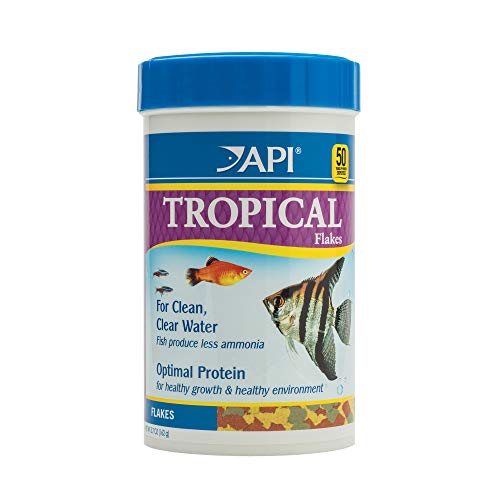
Swordtails are omnivores with healthy appetites. A quality tropical flake or small pellet works as the staple, and you should add vegetable and spirulina-based foods along with occasional protein treats such as frozen bloodworms, brine shrimp, or daphnia. Their constant activity means they burn energy, but it is still easy to overfeed, so offer small amounts once or twice a day, only what they finish in a minute or so. They will also graze soft algae growing in the tank, which is a nice bonus.
Tankmates
Swordtails are peaceful toward other species and make excellent community fish. The main caveat is male-to-male tension: two males in a small tank will chase constantly, so keep a single male or several males with a larger number of females to diffuse the attention. Good tankmates include their fellow livebearers, peaceful tetras and rasboras, corydoras catfish, and most calm community species that share their hard-water preference. Avoid slow, long-finned fish that fast swordtails may pester, and avoid aggressive species. Run the full list through the stocking calculator to keep the bioload within your tank and filter, and remember breeding will add fish quickly.
Health and breeding
Swordtails are hardy, and most health issues come back to water quality or a temperature swing that brings on ich. Keep the tank clean and stable, quarantine new fish for two to four weeks, and you will sidestep the majority of problems. This is educational guidance, not veterinary advice; a sick fish is best evaluated by a local fish store or an aquatic veterinarian.
Breeding is effortless. A male and female together will produce broods of free-swimming fry roughly every four to six weeks, and females store sperm for repeat broods. Swordtails are also close relatives of platies and can interbreed with them, producing hybrid fry, so keep them separate if you want pure lines. Adults eat fry, so dense plants help some survive. As always, plan for the population to grow and keep it within your tank's capacity.
The bottom line
Swordtails reward you with constant motion, bright color, and that unmistakable sword, but they need room to move. Give a group a long 20 to 29 gallon tank with a secure lid, hard and stable water, gentle filtration, and a varied diet, and balance the males and females to keep the peace. They are hardy, beginner-friendly, and quick to breed, so plan ahead. Start with the minimum tank size calculator and map out the community with the stocking calculator.
Aquarium Setup & Maintenance Planner
Stocking planner, water-test log, cycling tracker, maintenance schedule, and more, in one printable planner that keeps your tank on track.
Frequently Asked Questions
What size tank do swordtails need?
Plan on a 20 gallon tank as the minimum for a small group of swordtails, and a 29 gallon or larger is better. They reach about 5 inches, are strong, energetic swimmers, and breed readily, so they need length to swim and volume to stay stable. A long tank shape beats a tall one for these active fish. Confirm your stocking with our minimum tank size and stocking calculators.
What is the sword on a swordtail?
The sword is the long, pointed extension on the lower edge of the male swordtail’s tail fin, which gives the fish its name. Only males develop it. It is used in display and courtship and has no effect on swimming. Females lack the sword and have a rounded tail. The sword makes sexing swordtails easy once the fish mature.
What water do swordtails need?
Swordtails are hard-water livebearers that prefer 72 to 82 degrees Fahrenheit, a pH around 7.0 to 8.0, and medium to hard water. Like mollies and platies, they do best in slightly alkaline conditions rather than soft, acidic water. They are adaptable, so steady, stable parameters matter more than hitting an exact number. Keep ammonia and nitrite at zero with regular water changes.
Are male swordtails aggressive?
Swordtails are generally peaceful, but males can be territorial and chase one another, especially in cramped tanks. The fix is space and ratios: keep a single male, or keep several with multiple females so aggression spreads out. Two males in a small tank often leads to constant chasing. Plenty of swimming length and some plant cover go a long way to keep the peace.
Do swordtails jump?
Yes, swordtails are known jumpers, particularly when startled or when males are chasing. Always keep the tank covered with a lid or hood to prevent fish from leaping out. This is one of the most common ways keepers lose otherwise healthy swordtails. A tight-fitting lid also reduces evaporation and helps hold a stable temperature.
Can swordtails breed with platies?
Yes. Swordtails and platies are closely related livebearers in the same genus and can interbreed, producing hybrid fry. If you want to keep the lines pure, house them separately or keep a single-sex group. If you do not mind mixed fry, they coexist happily since they share the same water and temperament. Either way, plan for the population to grow.
Planning or running a tank?
Use our free calculators and guides to get every number right.
Aquarium Planner: $39